

Your air conditioner (A/C) is your savior from the scorching heat, but is it working as efficiently as it should? The decision to replace your A/C is not an easy one, given the costs involved. However, holding onto an inefficient A/C unit needing frequent A/C repairs, can cost you more in the long run. This article will help you determine when to replace your air conditioner and the factors to consider when making this decision.
The average lifespan of an A/C unit is around 15-20 years. However, this can vary based on factors such as maintenance, usage patterns, and climate. Regular maintenance, such as cleaning or replacing filters and checking for leaks, can extend the lifespan of your A/C unit. Conversely, excessive use, especially in a hot and humid climate, can shorten its lifespan.
The Costs of A/C Repair vs. Replacement
Sometimes A/C repair may seem like the most cost-effective option in the short term. However, it is essential to weigh the costs of continuous repairs against the cost of a new unit. Older A/C units are less energy-efficient, and the cost of frequent A/C repairs can add up quickly. Moreover, newer models are more energy-efficient and can save you money on your energy bills in the long run.
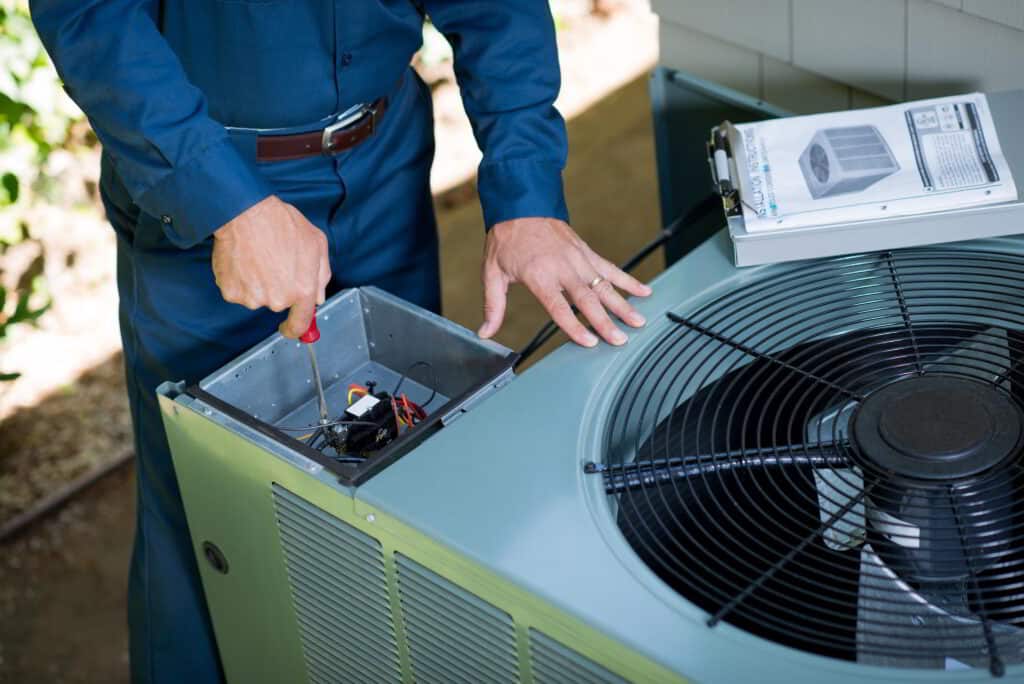
6 Signs That It’s Time to Replace Your A/C
1. Age of the A/C Unit
If your A/C unit is more than 15 years old, it may be time to consider a replacement. Older units are less energy-efficient and more likely to break down frequently.
2. Increasing Energy Bills
Have you noticed a sudden spike in your energy bills? This could be a sign that your A/C unit is working harder to maintain the desired temperature, indicating decreased efficiency.
3. Frequent Repairs
If your A/C unit requires frequent repairs, it may be more cost-effective to replace it. The costs of continuous repairs can quickly add up and exceed the cost of a new unit.
4. Inconsistent Temperatures
Are some rooms in your home too hot while others are too cold? This could be a sign that your A/C unit is not distributing air evenly and may need to be replaced.
5. Decreased Air Quality
A well-functioning A/C unit should filter out dust, pollen, and other airborne particles, maintaining good indoor air quality. If you notice an increase in dust or suffer from respiratory issues, it may be a sign that your AC unit is not filtering the air properly.
6. Noise and Odors
Unusual noises, such as grinding or squeaking, can indicate serious problems with your A/C unit. Similarly, foul or pungent odors can indicate mold growth or burnt-out wire insulation.
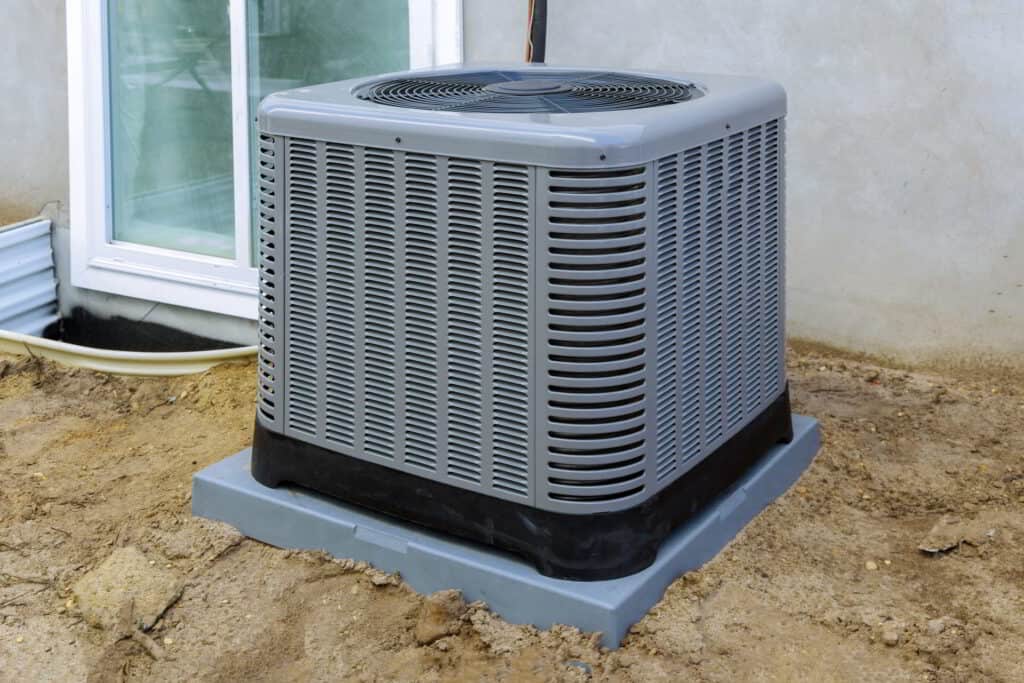
Replacing your A/C unit is a significant decision and investment. However, holding onto an inefficient A/C unit can cost you more in the long run in terms of energy bills and repair costs. If your A/C unit is more than 15 years old, requires frequent repairs, or is not cooling your home adequately, it may be time to consider a replacement. Remember to consider the size of your home, the climate of your area, and the energy efficiency of the new unit when making your decision.
Key Takeaways
- A/C units typically last 15–20 years, but heavy use and poor maintenance can shorten their lifespan.
- Frequent repairs and rising energy bills are strong indicators that it may be time to replace your A/C.
- New A/C units are more energy-efficient and can cut cooling costs by 20–40%, according to the U.S. Department of Energy.
- Signs like inconsistent temperatures, poor air quality, unusual noises, or bad odors suggest your A/C is underperforming.
- When replacing your A/C, consider home size, local climate, and SEER ratings for optimal performance and efficiency.
- Upgrading to a modern A/C unit can improve indoor air quality and increase the value of your home.
Frequently Asked Questions
- When should I replace my A/C instead of repairing it?
If your A/C is over 15 years old, requires frequent repairs, or is no longer cooling efficiently, replacement is usually more cost-effective. - How can a new A/C unit save me money?
Newer A/C units use less energy, which can lower your energy bills by up to 40% compared to older, inefficient systems. - What SEER rating should I look for in a new A/C?
A SEER rating of 14 or higher is recommended for energy efficiency. Units with higher SEER ratings often result in greater long-term savings. - Why does my current A/C cause inconsistent temperatures in different rooms?
Uneven cooling may indicate an aging or improperly sized unit, ductwork issues, or reduced system efficiency. - Will replacing my A//C increase my home’s value?
Yes. A new, energy-efficient A/C system is a selling point for buyers and can enhance your home’s overall value.
- About the Author
- Latest Posts

Tropical AC and Heat specializes in residential and commercial HVAC services, backed by a decade of industry experience. The company’s expertise ranges from simple residential settings to complex industrial chillers.