
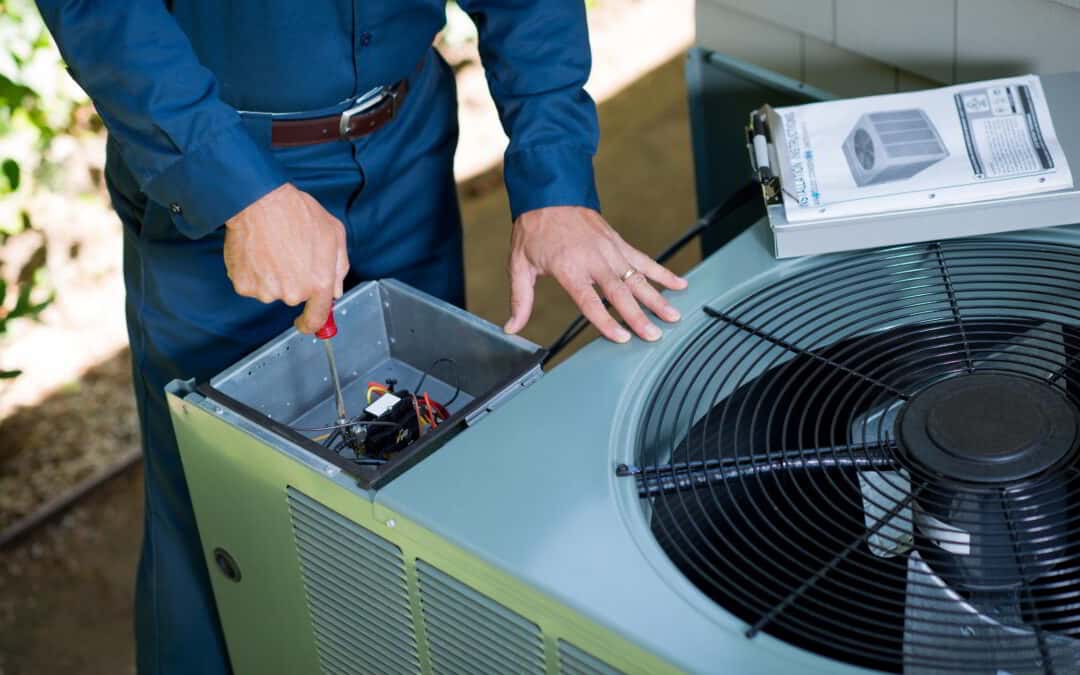
Every homeowner knows that hot summer days demand a well-working air conditioning system. The topic of air conditioning repair vs replacement is one many face when the unit starts acting up. In this piece the difference between AC repairs and full replacement will be discussed and how to decide which path makes sense. Knowing when to choose between AC repairs or replacement helps protect both comfort and budget.
- Repair means fixing existing cooling equipment.
- Replacement means installing a completely new system.
- Understanding your system’s age and condition influences the decision.
Signs That Your AC Unit Is Struggling
One generic example: A family noticed that some rooms stayed warm even after adjusting temperature and the outdoor unit kept running far longer than before. That situation flagged the need to evaluate whether to pursue AC repairs or get a new unit. Frequent loss of cooling, odd noises, or rising electricity bills all point to trouble. Recognizing these signs early avoids unexpected breakdowns.
- Poor cooling output even with thermostat set correctly.
- Strange banging, squealing, or clanking noises coming from the system.
- Frequent visits from a technician for patch-up fixes.
- Energy bills rising significantly without change in usage.
Poor Cooling Performance Means Trouble
If the system struggles to keep indoor temperatures comfortable on sweltering days then it may be a sign that AC repairs alone won’t restore full performance. A malfunctioning compressor, clogged filters or low refrigerant all contribute to weakened output. Occasional fix may work early. But long-term comfort suffers if core components are worn out.
- Cooling capacity significantly less than past seasons.
- Thermostat set low but indoor temp remains high.
- System runs continuously without reaching set point.

Strange Noises Signal Growing Risk
When your AC unit begins sounding like a workshop instead of a comfortable hum you know something’s wrong. These noises are not just nuisances they indicate that the machine is under stress. Loose fan blades, worn bearings or failing motors often produce these sounds. Waiting to act means paying more for AC repairs later.
- Grinding or scraping sounds during operation.
- Bang or pop when the system switches on.
- Squealing belts or humming electrical components.
Frequent Repairs: A Warning Sign
If calls to a technician have become too regular then the cost of AC repairs may outpace the benefits of simply maintaining the system. Every fix seems to get you a little further this season but the next problem pops up. At some point the repair-v-replacement decision must be made. Frequent repairs heat up the decision to switch to a new unit.
- Multiple service calls per season for the same equipment.
- Repair cost over a defined threshold relative to system value.
- Parts hard to find due to age of equipment.

Rising Energy Bills Tell a Story
When the energy bill creeps up without changes in habit or usage that inefficiency may reflect hidden costs from the HVAC system. The U.S. Department of Energy reports that AC systems consume a large portion of home energy use and inefficient models raise those costs. Replacement usually offers a higher Seasonal Energy Efficiency Ratio (SEER) which results in lower power consumption. Continuing with a failing system could cost more over time than a new one.
- Marked increase in kilowatt-hours with same thermostat behavior.
- System runs longer than it used to for cooling tasks.
- Utility bills show higher cost per cooling season compared to previous years.
Age Matters: When Your System Is Getting Old
Industry data show that central air conditioning systems average about 12 to 15 years of useful life when properly maintained. If your unit is approaching or past that age and showing signs of wear then AC repairs are no longer a long-term solution. Older systems often use outdated refrigerants or have parts that are costly or impossible to replace. At this point replacement tends to make more sense.
- System age over a decade without major overhaul.
- Refrigerant type phased-out or hard to source.
- Manufacturer support or parts supply discontinued.

Benefits of AC Repairs
Choosing AC repairs has advantages when the system still has life left and the problem is isolated. Repairs are typically quicker and far less expensive than installing a whole new unit. For a young system with no history of problems this is often the smart choice. The cost remains low and comfort quickly returns.
- Lower upfront cost compared to replacement.
- Minimal disruption to daily living.
- Allows you to keep using existing investment in the system.
Drawbacks of Continuing with Just Repairs
While AC repairs can extend life they cannot reverse age or efficiency declines entirely. Each repair may fix a symptom but doesn’t stop the wear that accumulates. Over time you still face higher energy bills and likely breakdowns. Repair alone may delay but not avoid eventual replacement.
- Frequent fixes add up to high cumulative cost.
- Efficiency remains lower than a modern model.
- Unexpected failures remain likely despite fix after fix.

Benefits of AC Replacement
A full replacement delivers fresh equipment with modern features, improved performance, and often better warranty coverage. Modern systems come with higher SEER ratings and advanced technology which means longer life and lower operational cost. Upgrading also brings comfort improvements like consistent cooling and better humidity control. Replacement offers a compelling path when long-term savings matter.
- Improved energy savings and lower bills.
- Better cooling performance and comfort throughout home.
- Longer expected service life before next major work.
Drawbacks of Replacement
The most obvious disadvantage of replacement is the higher upfront cost compared to repair. Installation requires time, planning, and sometimes changes to ductwork. For homeowners on a tight budget short-term fix may feel more prudent. But ignoring the long-term cost picture can lead to higher total cost of ownership.
- Larger initial expenditure for equipment and installation.
- Potential for unexpected extra costs like duct resizing or electrical upgrades.
- Decision required when comfort may already be compromised.
How to Make the Decision: Repair or Replace
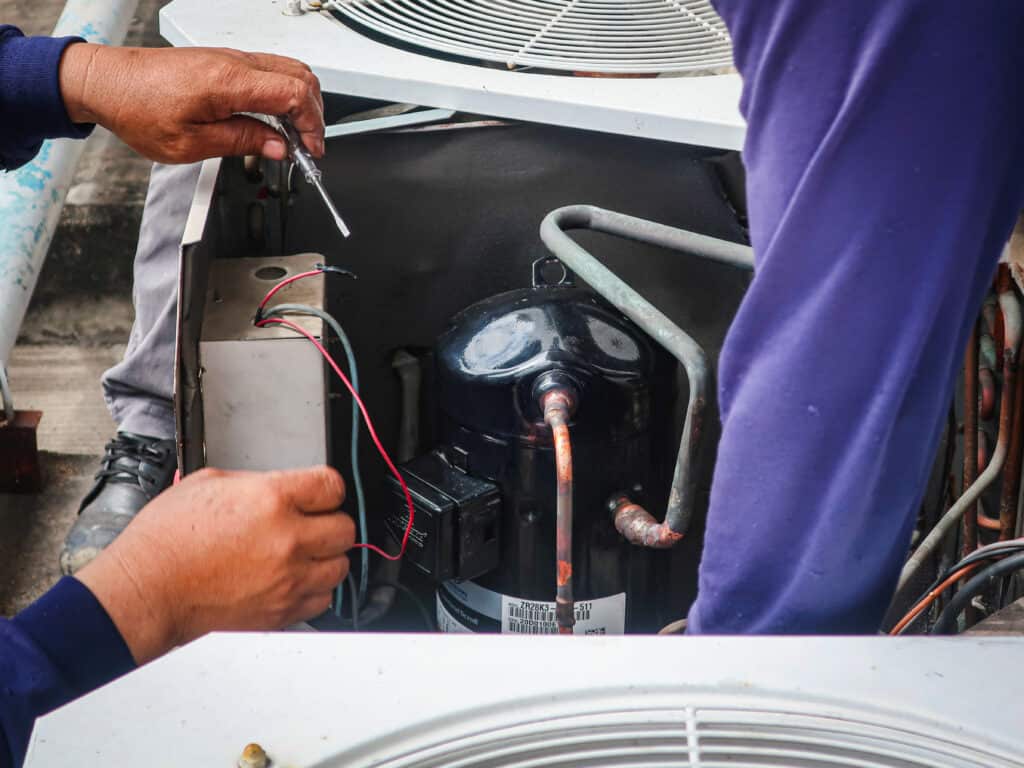
Making the right decision for AC repairs vs replacement requires honest evaluation of age, repair history, performance, and cost. A useful rule of thumb: multiply the age of the system (in years) by the likely cost of repair; if that number exceeds a certain threshold the replacement may be smarter. For instance some advise if the repair cost × age > $5,000 replacement wins. Also consider how many years you plan to stay in the home and how long you want peace-of-mind. Getting a professional assessment brings clarity.
- List all recent repairs and costs over last year.
- Compare age of system against average lifespan data.
- Estimate future energy savings from a new system and factor installation cost.
What to Look for in a Replacement Unit
Selecting the right replacement matters almost as much as the decision to replace. Ensure proper sizing—the Air‑Conditioning, Heating & Refrigeration Institute (AHRI) recommends load calculations so your new system is matched to home needs. Look for an ENERGY STAR certified unit and high SEER rating to maximize savings. Also, work with a licensed installer who ensures correct setup and refrigerant charge which affects longevity and performance. When done well this upgrade becomes a smart long-term investment rather than just a cost.
- Load calculation to size unit accurately.
- High SEER rating and ENERGY STAR certification.
- Licensed installer with warranty and professional installation.

Where AC Repairs Fit into the Picture
Keep in mind that AC repairs still have a place even when replacement seems likely. A minor fix may buy you enough time to plan the replacement during an off-peak season. Routine tune-ups extend life and identify problems early. Strategic repairs turn into smart steps instead of S.O.S. emergencies.
- Schedule tune-ups and simple repairs to keep system running until replacement.
- Use repairs as part of planned upgrade rather than reactive crisis.
- Monitor system performance and document issues to time replacement carefully.
Final Thoughts on AC Repairs vs Replacement
Deciding between AC repairs and full replacement is a major homeowner choice that affects comfort, cost and future home value. When the system is still young and one issue stands out then targeted AC repairs make sense. If age, efficiency drop, rising bills and frequent breakdowns stack up then replacement becomes the smarter path. Examining your individual situation with professional input will guide you to the right direction and prevent regret later.
- Start early with honest evaluation and tracking of system health.
- Balance short-term savings of repairs with long range cost of energy and reliability.
- Choose replacement when age, inefficiency and repairs indicate diminishing returns.

Key Takeaways: AC Repairs vs Replacement Decision
- AC repairs are best when the unit is relatively new, problems are isolated, and cost is modest.
- Rising bills, frequent breakdowns and units beyond 12-15 years indicate replacement should be considered.
- Replacement brings improved energy savings, better comfort and longer lifespan.
- Upfront cost of replacement is higher but long term benefits often outweigh persistent repair costs.
- Professional assessment including age, condition, performance and cost leads to informed decision.
Frequently Asked Questions
How do I know if I should keep repairing my AC or replace it?
Track the unit’s age, number of repairs, energy usage and comfort level. When repair costs mount and performance drops, replacement is often the better choice.
What’s a reasonable age to replace an AC system?
Most central air systems last 12-15 years under good maintenance. If yours is near that range with signs of decline it may be time.
Will a new AC always lower my bills?
Yes, if the replacement is sized and installed correctly. New units meet higher standards of energy use and can reduce power consumption significantly.
What role does proper installation play?
Installation matters a great deal. The U.S. Department of Energy says correct installation, matching indoor and outdoor units, and proper ductwork directly affect system performance.
Can I schedule repairs to extend life but still plan for replacement later?
Yes. Smart homeowners may contract for targeted AC repairs to maintain comfort and performance and simultaneously budget for a replacement when timing is more convenient.
- About the Author
- Latest Posts

Tropical AC and Heat specializes in residential and commercial HVAC services, backed by a decade of industry experience. The company’s expertise ranges from simple residential settings to complex industrial chillers.