

Recognizing the early signs that your air conditioner needs attention can save homeowners time, money, and the discomfort of enduring the hot Louisiana sun indoors. So, what are the signs that you might be in need of an A/C repair?
1. Unexpected Sky-High Bills
Nobody likes getting a bill that’s higher than expected, especially when there’s no clear reason behind it. If you’ve noticed a sudden increase in your energy bill, your A/C might be the culprit. An air conditioner that isn’t operating efficiently can drain power, leading to a surge in electricity costs. The U.S. Department of Energy explains that air conditioners account for about 6% of all the electricity produced in the United States, costing homeowners over $29 billion annually. If your A/C is struggling, it could be gobbling up more than its fair share of that energy.
2. Sounds like a Horror Movie
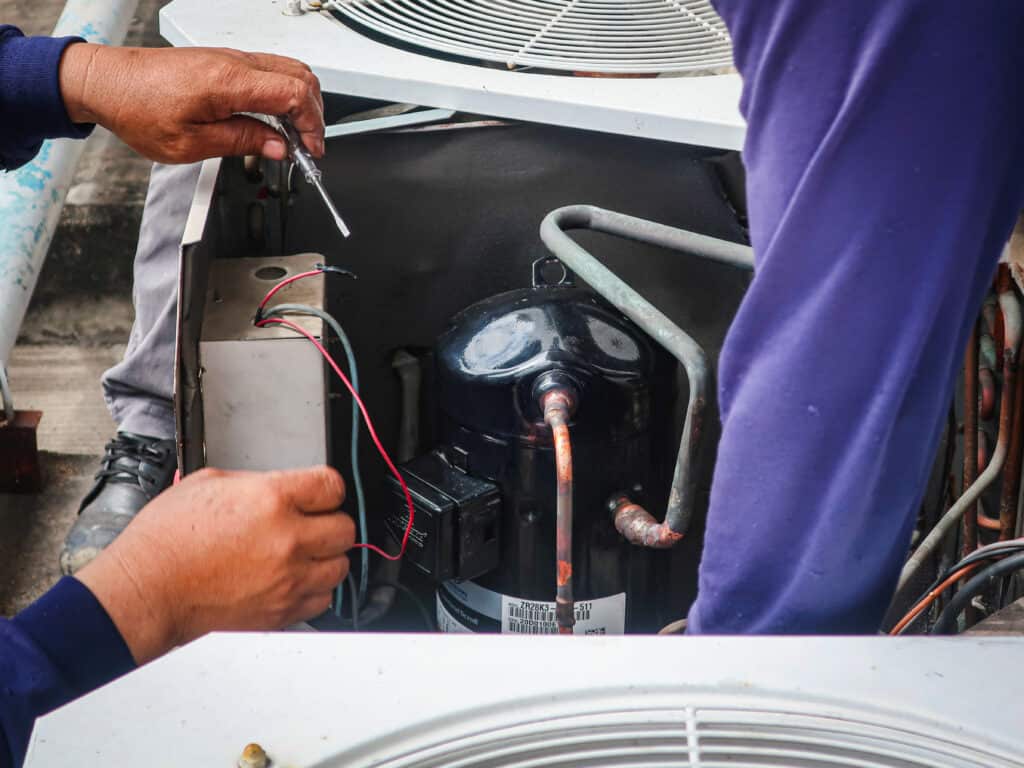
Strange, loud, or unusual noises coming from your A/C unit are more than just a nuisance; they could be warning signs. Typically, an air conditioner should run relatively quietly. If yours sounds like the soundtrack to a horror movie, with clanking, grinding, or hissing noises, it might be crying out for help. Loose parts, a faulty compressor, or even debris in the system could be the cause.
Sometimes, a noise might just indicate a minor issue that requires a simple fix. But remember, ignoring persistent noises can lead to bigger, so call your A/C repair technician ASAP to avoid more expensive problems down the road.
3. That Doesn’t Smell Right
An A/C should emit clean, odorless air. But if there’s a strange scent wafting from the vents, something’s off. A musty smell could suggest mold or mildew inside the unit, while a burning smell might indicate a mechanical problem. Air quality is essential for a comfortable home, so don’t overlook unusual odors.
4. Hot Air?
When you set your A/C to cool, you expect a refreshing breeze. But if it’s blowing lukewarm or even hot air, there’s a problem. This can be caused by issues ranging from dirty evaporator coils to refrigerant leaks or a malfunctioning thermostat. A 2018 Pew Research Center study found that around 90% of Americans use air conditioning in their homes, with many considering it a necessity. If your A/C isn’t cooling effectively, you’re not getting the comfort you deserve.
5. It’s a Waterfall, and Not the Good Kind
Some condensation on an A/C unit is normal, especially during humid summer days. However, excessive leakage or pooling water near your system can be a sign of trouble. Not only can this lead to further A/C damage, but it can also pose a risk to your home through potential water damage or mold growth.
6. Avoiding the Dreaded Breakdown
The importance of catching these signs early can’t be overstated. Addressing issues when they’re small can prevent major breakdowns, saving homeowners both stress and money. No one wants to face a complete A/C outage in the middle of a blazing summer!
7. Short Cycling All Day Long
Short cycling happens when the air conditioner turns on and off far more often than it should, sometimes running for only a minute or two before shutting back down again. This rapid stop-and-start behavior puts unnecessary stress on major components like the compressor, which is one of the most expensive parts to replace. Energy consumption shoots upward because the A/C never reaches a steady rhythm. The longer this continues, the greater the chance of a full breakdown right when the heat is unforgiving and timing could not be worse.
8. Ice on Coils or Refrigerant Lines
Ice buildup may look harmless at first, but it’s a direct sign that the cooling system is not functioning correctly. When airflow is restricted or refrigerant levels drop too low, the evaporator coil becomes too cold and moisture in the air freezes instead of evaporating. That ice reduces the system’s ability to absorb heat, forcing longer run times that increase power consumption. Over time, the ice can spread and clog the entire system, leading to permanent compressor damage if A/C repair isn’t scheduled promptly.
9. Thermostat Mood Swings
People often blame the A/C unit when comfort feels off, but the thermostat might be the real troublemaker. A thermostat that misreads temperatures can trigger cooling cycles at the wrong times or fail to signal the unit to turn on when needed. This leads to unpredictable indoor temperatures where one moment you’re sweating and the next you’re reaching for a blanket. When the control system is out of sync, every part of the A/C works harder than it should, shortening the system’s lifespan and increasing energy waste.
10. System Is Always Running but You’re Still Sweating
If the A/C seems like it never takes a break yet the home stays muggy or uncomfortably warm, something deeper is going on. This constant operation could point toward a failing compressor, leaky ductwork, clogged filters, or weak airflow through the coils. The unit is pouring effort into producing cool air that never fully reaches the living spaces. The longer the system runs under those conditions, the more strain is placed on every internal part, turning a cooling issue into an expensive repair if not addressed soon.
Is Your A/C on the Fritz?
As homeowners, our A/C systems play an integral role in our comfort, especially during those peak summer months. Recognizing when our units might need a bit of TLC not only ensures we stay cool but also helps in prolonging the life of our devices. So next time your A/C gives a little hint, like an odd noise or unexpected bill surge, don’t ignore it and call your A/C repair technician. Remember, it’s always cooler (and wiser) to address issues head-on!
Key Takeaways on When to Schedule A/C Repair
Sudden jumps in energy bills usually mean the A/C is overworking to meet normal cooling demands.
Loud or unusual noises signal loose or failing internal components.
Musty or burning odors can indicate mold or unsafe electrical issues.
Warm airflow suggests thermostat, refrigerant, or evaporator coil issues.
Leaks and puddles around the A/C point to clogs or internal damage.
Weak airflow, short cycling, and uneven temperatures show declining performance.
Ice on A/C parts is a major red flag for airflow or refrigerant problems.
Long run times without improving comfort waste energy and strain the system.
Thermostat malfunctions can lead to frequent cycling and poor temperature control.
Early A/C repair prevents full system failure and saves serious headaches (and money).
Frequently Asked Questions
- Why did my energy bill suddenly increase?
A sudden spike may mean your A/C is working harder than it should due to dirty filters, low refrigerant, or worn-out parts. - Is it normal for my A/C to make noise?
Soft operational noise is typical, but grinding, banging, or hissing sounds should be inspected by a professional. - What does a burning smell from the A/C mean?
It may signal an electrical issue like overheating wires or motor failure. Turn off the unit and call a technician immediately. - What should I do if my A/C blows warm air?
Check the thermostat settings first. If that doesn’t help, the issue may involve refrigerant levels, compressor problems, or dirty coils. - When is it time to call a professional A/C repair service?
As soon as you notice strange noises, warm air, unusual odors, or leaks, it’s best to have a professional diagnose and resolve the issue before it worsens.
- About the Author
- Latest Posts

Tropical AC and Heat specializes in residential and commercial HVAC services, backed by a decade of industry experience. The company’s expertise ranges from simple residential settings to complex industrial chillers.