

Water around a cooling system catches attention quickly and homeowners wonder why the drip is happening and how fast AC repair may be needed. When moisture appears outside the equipment, something inside is no longer draining correctly. Condensation is expected during cooling yet leaks signal clogging or airflow trouble that should not be ignored. Understanding where the water comes from helps prevent bigger issues from forming later.
- Condensation is normal but leaks are not.
- Moisture signals rising strain inside the cooling system.
- Fast AC repair keeps damage from spreading beyond the unit.
AC Condensation and AC Repair
One homeowner noticed droplets pooling below the indoor unit and assumed humidity caused the issue before learning clogged drainage required AC repair to stop the leak. Warm air passes across cold evaporator coils which causes water droplets to form every time the unit runs. The drainage system removes that water quietly through the condensate line. Leaks form when something disrupts that smooth process.
- Condensation forms as part of cooling and dehumidification.
- Drainage paths move water away from the equipment.
- AC repair restores the balance when leaks appear.

Spotting Condensation Trouble Early
Damp carpet near the air handler or streaks below the cabinet show water has already escaped containment which calls for AC repair. Cooling quality drops when water builds up inside the evaporator housing. The Environmental Protection Agency shares that moisture inside HVAC equipment supports mold growth that affects indoor air. Taking the hint early stops discomfort and protects living spaces.
- Leaks can damage flooring and drywall quickly.
- Reduced airflow increases the volume of condensation.
- Moisture problems worsen without AC repair attention.
Why Condensation Turns Into Leaks
The most common problem is a clogged drain line packed with dirt, dust or algae which blocks water from leaving. Dirty filters choke airflow until coils get too cold and ice forms then melts into puddles later. All of these create situations where AC repair becomes necessary to prevent a flooded area around the unit. Clean components allow water to drain smoothly.
- Drain blockages stop proper water movement.
- Filters must stay clear for steady cooling.
- Poor coil insulation increases sweating and leakage.

DIY Support Before AC Repair
There are safe checks homeowners can perform while scheduling AC repair to address the cause permanently. A fresh filter helps keep airflow strong so water doesn’t linger around coils. Clearing the drain line encourages smooth flow again. These small tasks buy time while waiting for a professional.
- Replace clogged filters every one to three months.
- Gently remove buildup inside the drain pipe.
- Seal gaps around coil insulation if visible.
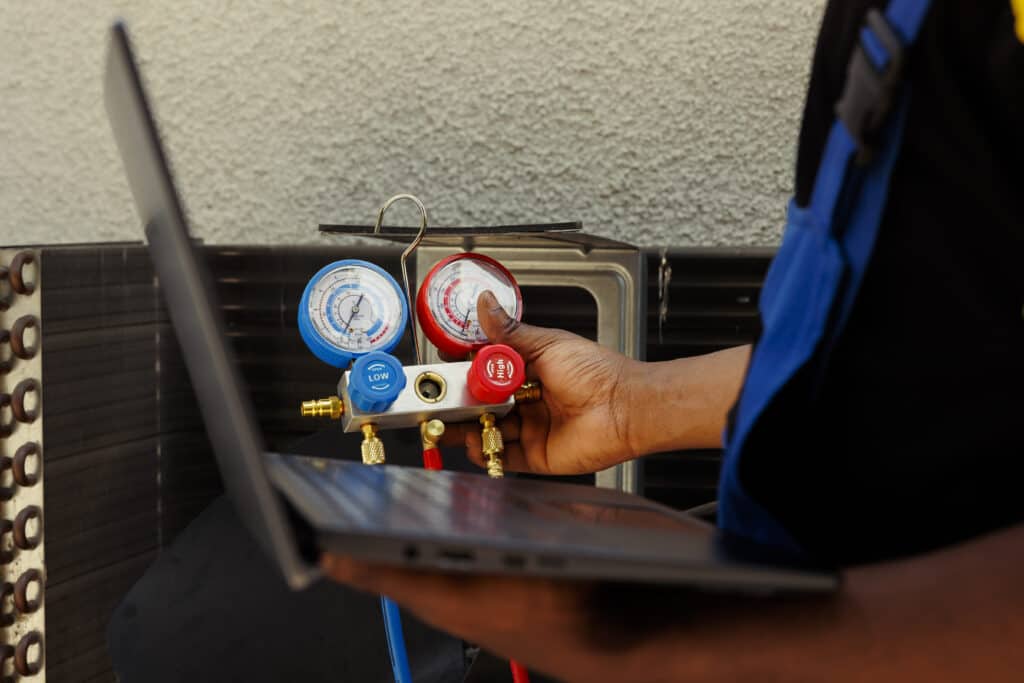
Calling Skilled Technicians for Full AC Repair
Technicians use tools to clean deep blockages and identify hidden problems such as refrigerant imbalance which encourages freeze and melt cycles that lead to leaks. The U.S. Department of Energy notes that regular AC repair and service prevent wasted power from malfunctioning systems. Repairs handled correctly stop repeated moisture incidents that damage home interiors. Good performance depends on every part running together.
- Experts fix issues homeowners cannot safely reach.
- AC repair prevents repeated dripping at the source.
- Safe operation protects the equipment and home.
Health and Home Concerns Linked to Leaks
Mold begins quietly when water collects inside dark spaces around the air handler which quickly becomes a threat to indoor wellness. Structural materials soften after repeated exposure which leaves larger repair bills behind. AC repair keeps the home protected by controlling where condensation goes. Containing moisture protects comfort and property at the same time.
- Hidden mold lowers indoor air quality.
- Water spreads beyond the unit faster than expected.
- Early AC repair avoids expensive restoration projects.
Humidity Makes Condensation Worse
Homes with high humidity see faster condensation at the evaporator coil and that extra moisture overwhelms the drainage system. The U.S. Energy Information Administration explains that most households depend on strong cooling performance which relies on humidity regulation. Drying the air reduces leaks and improves comfort. Proper humidity keeps water in control.
- Ideal indoor humidity ranges between 30 to 50 percent.
- Dehumidifiers reduce stress on drainage systems.
- Smart thermostats monitor humidity changes for support.

Drainage Maintenance Matters
Drain pans must stay clear for water to leave the system while the line needs periodic cleaning to prevent backing up into the home. Standing water means something requires AC repair and waiting only increases the mess. Routine checks reduce surprises during heavy cooling use. Water should never remain inside the equipment.
- Technicians flush the drain during inspections.
- Pans must remain dry after each cooling cycle ends.
- Backflow issues worsen until AC repair fixes the root cause.
AC Repair Protects the Entire System
Cooling systems last longer when leaks are handled early instead of allowing corrosion or electrical damage from standing water. AC repair stops small symptoms from snowballing into equipment failure that costs far more to solve. A healthy drainage system keeps cooling smooth through the hottest seasons. Reliable comfort grows from quick response.
- Unexpected breakdowns are less frequent.
- Fewer service interruptions save time and stress.
- Homeowners feel confident with preventive AC repair.

Key Takeaways About AC Repair for Dripping Units
- Visible leaks show condensation is no longer draining the way it should.
- AC repair corrects airflow, coil, and drainage issues that lead to moisture problems.
- Professional support keeps water from damaging walls and floors.
- Humidity management helps maintain safe levels of condensation.
- Early AC repair prevents bigger expenses and protects the full cooling system.
Frequently Asked Questions
Why does condensation form in the first place?
Warm air meets cold coils and water appears just like a glass with ice, and AC repair ensures that water drains away correctly.
Should dripping be fixed quickly?
Even small leaks threaten flooring and air quality so AC repair should follow soon after spotting moisture.
Is high humidity related to dripping?
High humidity increases moisture buildup which overwhelms drainage and creates leaks requiring AC repair.
What if water appears only sometimes?
Intermittent leaks still point to a system imbalance which AC repair can solve before damage grows.
Who handles internal drainage repairs?
Licensed HVAC technicians handle blocked lines, damaged pans, or coil issues through professional AC repair.
- About the Author
- Latest Posts

Tropical AC and Heat specializes in residential and commercial HVAC services, backed by a decade of industry experience. The company’s expertise ranges from simple residential settings to complex industrial chillers.