
How Weather Plays a Sneaky Role in AC Repairs
Weather loves to surprise, and air conditioners deal with those surprises every single day. A peaceful sunny afternoon can flip into a wild storm, and AC systems must adjust without missing a beat. People depend on cooling technology to stay comfortable and healthy. AC repairs become more common when weather pushes equipment past its comfort zone, and staying aware makes a huge difference.
- Temperature changes can affect how well an AC runs.
- Humidity raises the workload on cooling systems.
- Storms and coastal air increase the risks of AC repairs.
Extreme Heat Pushes AC Systems Hard
Temperature spikes force cooling systems to run for longer hours, creating extra strain on motors, coils, and compressors. A study by the Pew Research Center found that hotter summers are already increasing reliance on cooling equipment. One homeowner even compared heatwaves to having a treadmill stuck on the highest speed with no break, and AC repairs often follow when parts get tired. The harder a system works, the sooner it needs attention.
- Heatwaves lead to longer runtime and greater wear.
- Overworked components may lose performance faster.
- Rising global temperatures keep pushing AC systems more each year.
Humidity Sneaks In And Creates Hidden Trouble
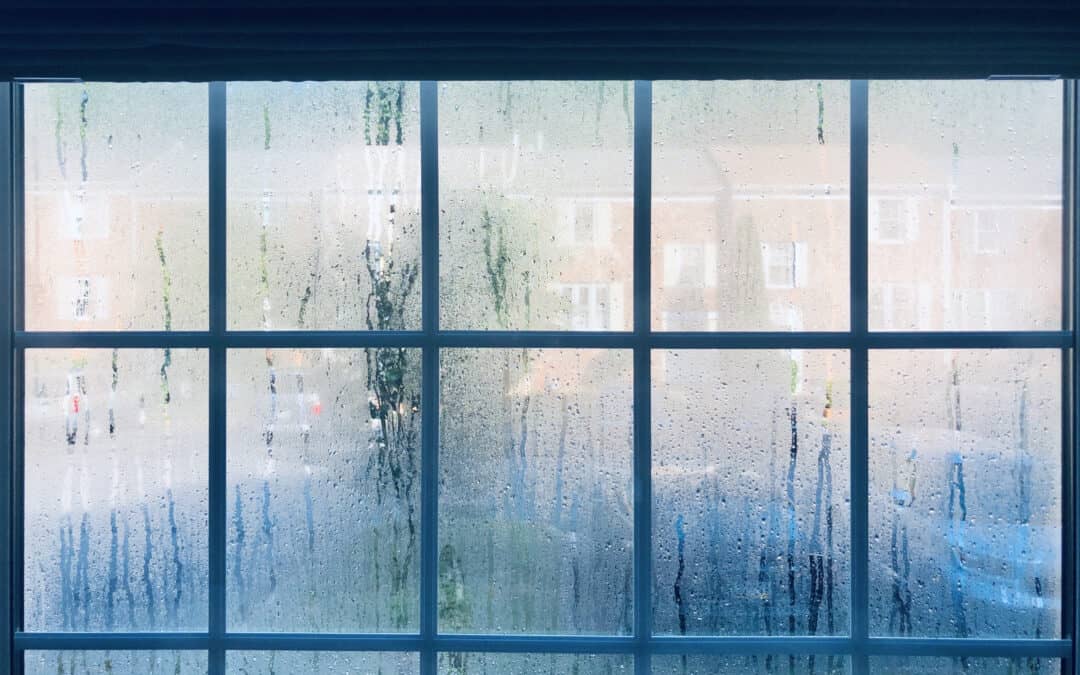
Moist air brings comfort challenges because the evaporator coil must pull water from the air while cooling it. When humidity stays high, moisture buildup can clog filters, encourage mold, and reduce airflow, and each one of those problems increases the need for AC repairs. A weather.gov report shows that humidity levels continue rising in many warm regions, making this a growing concern. Stickiness in the air may be invisible, but the damage it causes cannot be ignored.
- Indoor air quality suffers when moisture collects in ducts.
- Filters clog faster and require more frequent replacements.
- Mold grows more easily in damp AC components.
Wild Storms Bring Sudden Damage
Storms move fast and carry a range of threats that cooling systems cannot escape. Flying branches and debris can dent the outdoor unit or block the fan, leading to unexpected AC repairs. Power surges are equally dangerous because electrical components are sensitive and a sudden spike can knock them out instantly. Weather keeps everyone on their toes, and AC equipment pays the price whenever a storm hits without warning.
- Objects thrown by wind can damage outdoor systems.
- Lightning surges can ruin boards and wiring inside the unit.
- Storms frequently cause emergency AC repairs after disruption.

Heavy Rain And Water Pooling Around The Unit
Rain sounds calming while falling on the roof, yet puddles forming around the outdoor system create a different story. When water begins pooling, corrosion and electrical hazards may follow, and AC repairs quickly become necessary if parts rust or short out. Many homeowners do not realize that water damage is among the top reasons for AC system failures. Keeping equipment dry is one of the smartest protective steps.
- Standing water weakens metal parts and coil fins.
- Electrical shorts can occur if moisture reaches wiring.
- Outdoor drainage issues make a system more vulnerable.
Salty Air Corrodes Vital Components
Salt in the air speeds up metal breakdown, and outdoor AC units are usually the first to show the effects. Corrosion slowly eats away at coils and screws, making the system lose power and cooling strength. Energy.gov notes that efficiency loss results in higher electric bills, and more AC repairs become necessary as corrosion spreads. Salty breezes feel refreshing on the skin, but the cooling system never enjoys them.
- Corrosion reduces coil heat transfer ability.
- Maintenance becomes more frequent in coastal climates.
- Coils with severe rust often require expensive AC repairs.
Cold Snaps Create Struggle For Heating Mode
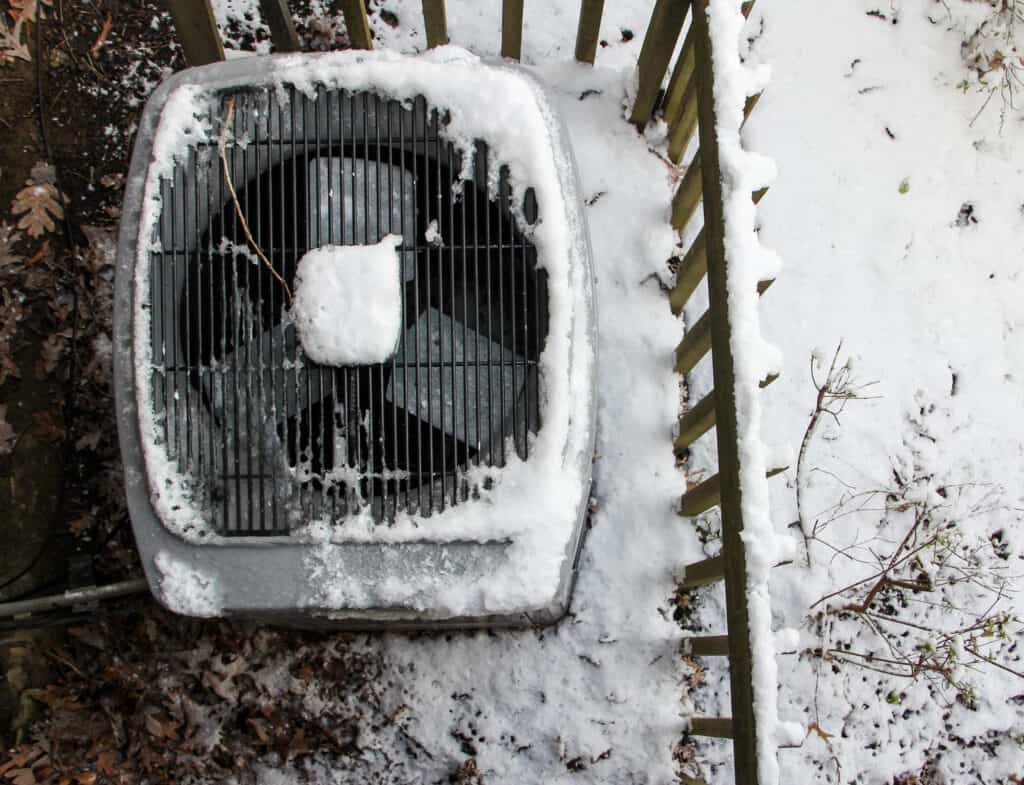
Surprise drops in temperature activate heat mode in systems that may rarely use it. Switching into a mode that handles the opposite job makes parts strain if they have not been tested often. Heating issues can trigger AC repairs just as quickly as cooling problems. A quick freeze outside means more stress inside the unit.
- Sudden cold can shock equipment unprepared for winter use.
- Defrost cycles must keep coils from freezing over.
- Infrequent heating functions may wear out unexpectedly.
Routine Care Reduces Weather-Related Breakdowns
Simple habits help avoid a call for AC repairs when weather limits show up. A technician can notice warning signs early, and that makes a world of difference. Seasonal inspections keep parts clean, calibrated, and ready for tough conditions. Staying proactive means comfort stays predictable even when weather is not.
- Spring tune-ups prepare AC for long, hot months.
- Dirty filters can be swapped before airflow problems appear.
- Coils stay cleaner when checked consistently.
Extra Protection Against Storm Surges
Electrical protection guards expensive parts inside cooling systems. Surge protectors help stop sudden voltage spikes from entering important components, and many homeowners appreciate the peace of mind they add. A small investment today often prevents the price of AC repairs tomorrow. Electricity should only flow the way it is supposed to, and protection keeps the rules in place.
- Surges can destroy boards in a fraction of a second.
- Whole-home units provide added support during storms.
- Peace of mind grows when electrical risks are reduced.
Installing Systems Above Standing Water Risk
Raising the outdoor unit keeps it safe from water puddles during long rainfall events. Elevation adds distance between important parts and potential damage sources. When the base stays dry, there is less chance of corrosion and fewer calls for AC repairs. A little height goes a long way.
- Blocks or stands can lift the unit away from the ground.
- Improved drainage prevents lingering moisture exposure.
- Outdoor components last longer when water stays away.
A Closer Look At What Weather Really Does To AC Systems
Weather affects every part of cooling equipment, from coils to circuits, and the stress builds over time. Heat, rain, and humidity never take a break, and clouds never ask whether the system is ready for a sudden shift, so AC repairs become a normal part of keeping comfort alive. Maintenance, protective gear, and awareness help equipment survive the surprises that roll through the sky. Staying a step ahead keeps homes comfortable no matter what the forecast throws around.
- Weather repeatedly challenges AC performance.
- Protection helps avoid sudden cooling disruptions.
- Awareness makes heating and cooling care smarter.

Key Takeaways About Weather And AC Repairs
- Extreme heat forces longer runtimes, leading to faster wear and AC repairs.
- Moisture buildup from high humidity harms indoor air quality and coils.
- Storm debris and surges cause sudden damage that may require emergency fixes.
- Water exposure from poor drainage increases corrosion problems.
- Salty air speeds up metal decay and reduces system performance.
- Cold snaps strain heating components rarely used during warm months.
- Seasonal maintenance lowers the chance of major AC repairs.
- Surge protectors help prevent electrical failure.
- Elevated outdoor units avoid water-related equipment issues.
Frequently Asked Questions
Why do heatwaves cause more AC repairs?
Systems run longer to keep homes cool during extreme heat, which stresses essential components and leads to faster breakdowns.
Can humidity alone damage cooling equipment?
Yes. Moisture buildup encourages mold and clogs filters, which reduces airflow and forces the system into extra work.
Do storms always harm outdoor units?
No. But strong winds, debris, and lightning create higher risk, so protective measures help preserve equipment.
Is salty air dangerous to AC parts?
Salt accelerates corrosion on exposed metal surfaces, often resulting in frequent AC repairs over the years.
How often should AC systems be maintained?
Twice per year keeps most systems ready for seasonal weather changes and lowers the risk of unexpected failures.
- About the Author
- Latest Posts

Tropical AC and Heat specializes in residential and commercial HVAC services, backed by a decade of industry experience. The company’s expertise ranges from simple residential settings to complex industrial chillers.